

Life can feel overwhelming at times, especially with all of the responsibilities during midlife. Between work, household responsibilities, caregiving, relationships, and the many unexpected challenges that come our way, it can be easy to put our own well-being on the back burner.
But finding peace doesn’t always require a weekend getaway, a major lifestyle change, or hours of free time. Sometimes, all you need is 10 intentional minutes to pause, reset, and reconnect with yourself.
When life starts to feel like too much, try one of these simple practices to help create a sense of calm and give your mind and body a much-needed break.
1. Deep Breathing

When you feel stressed or overwhelmed, one of the simplest things you can do is pause and focus on your breathing.
Find a quiet, comfortable place to sit or lie down. Close your eyes if that feels comfortable, relax your shoulders, and take a slow breath in through your nose. Hold briefly, then slowly exhale through your mouth. Repeat several times, allowing your breathing to become slower and more intentional.
As you breathe, try to let go of whatever happened earlier in the day and give yourself permission to focus only on the present moment.
You don’t have to clear your mind completely. Simply noticing your breath can give you something steady to focus on when everything else feels chaotic.
>> Try this: Set aside five to 10 minutes for intentional breathing whenever you notice yourself becoming tense or overwhelmed.
2. Practice Affirmations
Beyzaa Yurtkuran
When you’re facing a difficult situation or something you’re uncertain about, the way you talk to yourself can make a difference.
Instead of allowing your thoughts to spiral toward everything that could go wrong, try replacing them with a simple, encouraging affirmation.
You might tell yourself:
- “I’ve got this.”
- “I can handle one step at a time.”
- “I will get through this.”
- “This feeling will pass.”
- “I don’t have to figure everything out right now.”
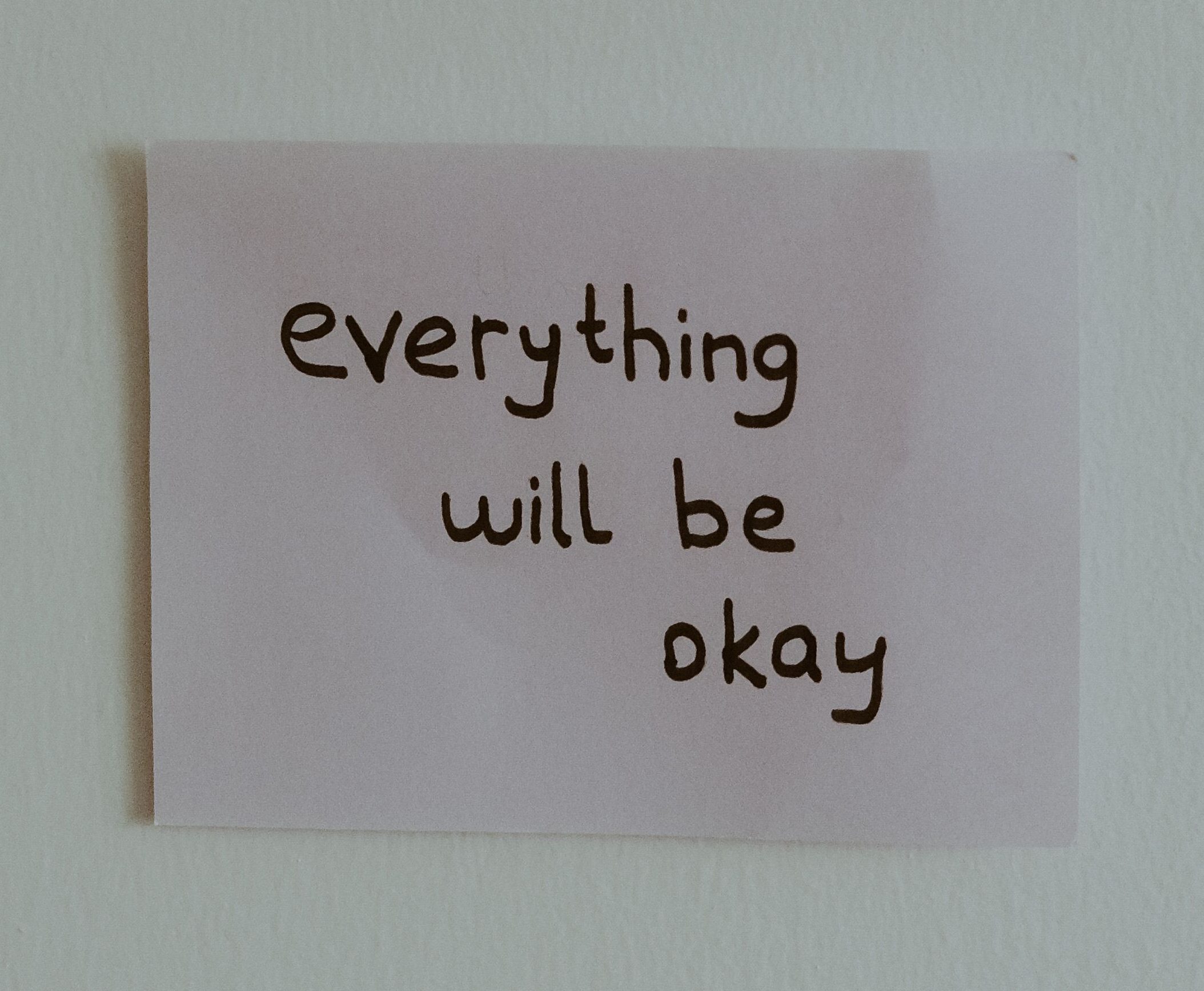
Repeat your affirmation throughout the day, especially when negative or anxious thoughts begin to surface. Over time, practicing more compassionate self-talk can help you respond to challenges with greater confidence and perspective.
>> Try this: Choose one affirmation that feels meaningful to you. Write it on a sticky note, and repeat it quietly to yourself throughout the day.
3. Take a Walk

Sometimes, the best way to clear your head is to simply get moving.
Put on comfortable clothes and shoes and step outside for a walk. You don’t need to walk a certain distance or maintain a specific pace. The goal is to give yourself a change of scenery and allow your body to move.
As you walk, notice what’s around you. Feel the sun on your face, listen to the sounds of your surroundings, and pay attention to your breathing. Let your thoughts come and go without feeling like you need to solve every problem along the way.
Even a short walk can provide a welcome break from sitting at a desk, staying inside, or being consumed by a stressful situation.
>> Try this: Aim for at least 10 minutes of walking a day. If you have more time, keep going—but don’t underestimate the value of a short reset.
4. Listen to Calming Music or Try a Sound Bath

Music can give your mind something soothing to focus on when your thoughts feel busy.
Choose instrumental music, nature sounds, or another type of calming audio that feels relaxing to you. Look for sounds that are gentle and easy on your ears rather than something that demands your attention.
Find a comfortable place to sit, close your eyes, and allow yourself to simply listen. Instead of multitasking, give yourself permission to be immersed in the experience for a few minutes.
You can also explore a sound bath, where a practitioner uses instruments such as singing bowls, gongs, or chimes to create an immersive listening experience. Whether you listen at home or attend a session with a specialist, the intention is the same: slow down and give yourself a peaceful sensory experience.
>> Try this: Create a short “calm” playlist that you can turn to whenever you need to decompress.
5. Vent to Someone You Trust

You don’t always have to carry everything by yourself.
Sometimes, talking with someone you trust can provide the emotional release you need. A friend, family member, partner, mentor, or another supportive person may simply listen while you get what’s on your mind off your chest.
You don’t necessarily need someone to solve the problem. Sometimes being heard is enough.
Talking things through can also help you see a situation from another perspective. Someone you trust may offer encouragement, ask a question you hadn’t considered, or simply remind you that you’re not alone.
Connection matters, especially when life feels overwhelming.
>> Try this: Reach out to someone you trust and say, “I don’t necessarily need advice right now. I just need someone to listen.”
6. Spend Time Outdoors

Nature can be a simple reminder to slow down and be present.
Step outside and take a few intentional breaths. Rather than immediately reaching for your phone, take a moment to notice what’s around you. Pay attention to the colors you see, the movement of the trees, the sound of birds, or the feeling of the breeze against your skin.
Let yourself experience the moment through your senses.
You might sit in your backyard, visit a park, or simply stand outside with your morning coffee. You don’t need to travel somewhere spectacular to benefit from spending a little time outdoors.
The goal is to step away from the noise of daily responsibilities and give yourself a few moments to reconnect with the world around you.
>> Try this: Spend 10 minutes outside without your phone whenever possible. Focus on what you can see, hear, smell, and feel.
7. Make Time for a Hobby

When life gets busy, the activities we genuinely enjoy are often the first things we stop doing. But hobbies aren’t a waste of time—they can provide a much-needed mental break.
Give yourself a few minutes to do something simply because you enjoy it. Paint, draw, garden, read, cook, practice yoga, play an instrument, work on a craft, or do anything else that allows you to step away from your daily responsibilities.
The goal is to immerse yourself in something enjoyable and give your mind permission to focus on something other than your worries.
>> Try this: Choose one hobby you enjoy and protect 10 minutes for it each day—even on your busiest days.
8. Practice Mindfulness

When an uncomfortable emotion arises, our first instinct may be to push it away, distract ourselves, or pretend it isn’t there. Mindfulness offers another approach: pause and notice what you’re experiencing without immediately judging it.
Sit quietly and pay attention to your thoughts, emotions, and physical sensations. Take a breath and acknowledge what you’re feeling.
You might say to yourself, “I’m feeling overwhelmed right now,” rather than, “I shouldn’t feel this way.”
You don’t have to fix the feeling. You can simply notice it, breathe through it, and remind yourself that emotions are temporary experiences.
With regular practice, mindfulness can help you become more aware of your emotional patterns and respond to difficult moments with greater intention rather than immediately reacting to them.
>> Try this: The next time you’re overwhelmed, pause for one minute and ask yourself: What am I feeling right now, and what do I need in this moment?
9. Make Something Nourishing

Food can be an opportunity to slow down and care for yourself.
Prepare a favorite meal or snack and make the process part of the experience. Choose ingredients that you enjoy and that leave you feeling nourished and satisfied.
Rather than rushing through your meal, sit down and give yourself time to enjoy it. Notice the smell, texture, temperature, and flavor. Put down your phone and allow yourself to be present.
There is nothing wrong with enjoying a favorite comfort food. At the same time, choosing nourishing foods that make you feel good can help you take care of your body while giving yourself a small moment of pleasure.
>> Try this: Make one meal a day an intentional experience. Slow down, taste your food, and give yourself permission to enjoy it.
10. Practice Gratitude

When we’re overwhelmed, it’s easy for our attention to become consumed by everything that’s wrong, unfinished, or uncertain.
Gratitude doesn’t mean ignoring those difficult things. Instead, it gives you an opportunity to intentionally notice something that is going well, however small.
Try keeping a gratitude journal. Start by writing down what’s bothering you or what’s weighing on your mind. Then, write down one to three things you’re grateful for.
Your gratitude list doesn’t have to be profound. It could be a good cup of coffee, a meaningful conversation, a beautiful sunset, a comfortable bed, a favorite song, or simply having a few quiet minutes to yourself.
The goal isn’t to convince yourself that everything is perfect. It’s to create a little more perspective by noticing that difficult moments can exist alongside good ones.
>> Try this: Before going to bed, write down three small things you appreciated about your day.
Give Yourself Permission to Pause
Finding peace doesn’t mean that your problems will suddenly disappear. Work still needs to be done. Responsibilities still need to be handled. Difficult conversations may still need to happen.
But you don’t have to carry everything alone or at full speed.
Taking 10 minutes to breathe, walk, listen to calming music, connect with someone, enjoy a hobby, or simply sit quietly can give you a chance to reset before returning to everything else.
The next time life feels overwhelming, choose one small practice from this list. You don’t have to do all ten. Start with 10 minutes, start where you are, and give yourself permission to pause.
Sometimes, finding a little peace begins with giving yourself the time and space to breathe.


Leave a Reply